Oxytocin 10mg: Understanding Its Role, Uses, and Benefits
Wiki Article
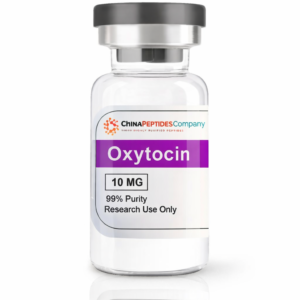
Oxytocinis a powerful hormone and neuropeptide that plays a crucial role in human physiology and emotional well-being. Often referred to as the “love hormone” or “bonding hormone,” oxytocin is naturally produced in the hypothalamus and released by the pituitary gland. While it is widely known for its role in childbirth and social bonding, oxytocin has a range of clinical and therapeutic applications that continue to be explored in modern medicine.
In this article, we’ll take a comprehensive look at oxytocin—its functions, potential uses, and important considerations.
What Is Oxytocin?
Oxytocin is a peptide hormone composed of nine amino acids. It acts both as a hormone in the bloodstream and as a neurotransmitter in the brain. This dual role allows it to influence both physical processes and emotional responses.
Naturally, oxytocin levels rise during activities such as:
- Childbirth
- Breastfeeding
- Physical touch and affection
- Social bonding and trust-building interactions
Its wide-ranging effects make it an essential component of human health and behavior.
Key Functions of Oxytocin
1. Role in Childbirth and Lactation
Oxytocin is best known for its role in labor. It stimulates uterine contractions during childbirth, helping to facilitate delivery. After birth, oxytocin promotes milk ejection (let-down reflex) during breastfeeding, supporting infant nutrition and bonding.
2. Emotional and Social Bonding
Oxytocin has a profound effect on emotional connections. It is released during moments of intimacy, trust, and social interaction, strengthening bonds between individuals. This is why it is often associated with love, attachment, and empathy.
3. Stress and Anxiety Regulation
Research suggests that oxytocin can help reduce stress and anxiety levels. It may counteract the effects of cortisol, the body’s primary stress hormone, promoting a sense of calm and well-being.
4. Influence on Mood and Behavior
Oxytocin plays a role in shaping behavior, including:
- Enhancing feelings of trust
- Promoting generosity and cooperation
- Supporting emotional resilience
These effects have sparked interest in its potential therapeutic applications in mental health.
Medical and Clinical Uses of Oxytocin
In medical settings, oxytocin is commonly used under professional supervision for specific purposes:
1. Induction and Augmentation of Labor
Healthcare providers may administer oxytocin to induce labor or strengthen contractions when labor is not progressing effectively.
2. Prevention of Postpartum Hemorrhage
Oxytocin helps the uterus contract after delivery, reducing the risk of excessive bleeding—a critical factor in maternal health.
3. Support in Breastfeeding
In some cases, oxytocin may be used to assist with milk let-down in mothers experiencing difficulties with breastfeeding.
4. Emerging Research Areas
Ongoing studies are exploring oxytocin’s potential role in:
- Autism spectrum disorders
- Social anxiety
- Depression
- Relationship therapy
While promising, these applications require further clinical validation.
Potential Benefits of Oxytocin
When used appropriately and under medical guidance, oxytocin offers several benefits:
Improved Social Connection
Oxytocin enhances interpersonal relationships by fostering trust and emotional bonding.
Reduced Stress Levels
By lowering cortisol, oxytocin can contribute to a calmer mental state and improved emotional balance.
Enhanced Emotional Well-being
Its effects on mood and behavior can promote feelings of happiness and connection.
Support in Reproductive Health
Oxytocin remains a cornerstone in obstetric care, supporting safe childbirth and postpartum recovery.
Important Considerations
While oxytocin has valuable uses, it is important to approach it with care and awareness.
Medical Supervision Is Essential
Oxytocin should only be used under the supervision of a qualified healthcare professional. Incorrect use can lead to complications, particularly in obstetric settings.
Dosage and Administration
The appropriate dosage and method of administration depend on the specific medical context. Self-administration or misuse can pose serious health risks.
Possible Side Effects
Like any medication, oxytocin may cause side effects, including:
- Nausea
- Headache
- Changes in heart rate
- Uterine hyperstimulation (in obstetric use)
Patients should always discuss potential risks with their healthcare provider.
Not a “Quick Fix”
Although oxytocin is often associated with positive emotions, it is not a substitute for healthy relationships, mental health care, or professional therapy.
The Future of Oxytocin Research
Scientific interest in oxytocin continues to grow. Researchers are investigating how it might be used to address complex psychological and neurological conditions. Advances in this field could open new pathways for treatment, particularly in areas involving social behavior and emotional regulation.
However, it is important to balance enthusiasm with caution. More research is needed to fully understand its long-term effects and broader applications.
Conclusion
Oxytocin is far more than just a “love hormone.” It is a vital component of human biology, influencing everything from childbirth to emotional connection and stress management. Its medical applications have made it an indispensable tool in healthcare, while ongoing research continues to uncover new possibilities.
Understanding oxytocin allows us to appreciate the intricate relationship between our bodies and emotions. Whether in clinical settings or everyday life, this remarkable hormone plays a key role in shaping human experience.
Report this wiki page