Semaglutide Injection 10mg: A Comprehensive Guide to Uses, Benefits, and Safety
Wiki Article
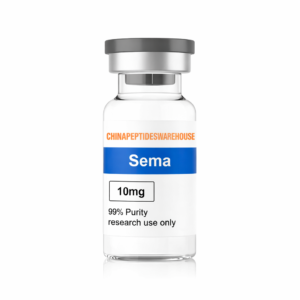
In recent years, semaglutidehas gained significant attention in the medical field for its effectiveness in managing type 2 diabetes and supporting weight loss under medical supervision. As a glucagon-like peptide-1 (GLP-1) receptor agonist, semaglutide offers a modern, science-backed approach to improving metabolic health.
This article explores what Semaglutide Injection 10mg is, how it works, its potential benefits, and important safety considerations.
What Is Semaglutide?
Semaglutide is a prescription medication primarily used to:
- Manage blood sugar levels in adults with type 2 diabetes
- Support chronic weight management in individuals with obesity or overweight conditions (when prescribed appropriately)
It mimics a natural hormone in the body known as GLP-1, which plays a key role in regulating blood sugar, appetite, and digestion.
Semaglutide is typically administered as a subcutaneous injection (under the skin), often once weekly, depending on the prescribed treatment plan.
How Semaglutide Works
Semaglutide acts on several physiological processes to improve metabolic health:
1. Blood Sugar Control
It stimulates insulin secretion when blood glucose levels are high, helping reduce hyperglycemia.
2. Slows Gastric Emptying
By slowing down how quickly food leaves the stomach, semaglutide helps prevent rapid spikes in blood sugar after meals.
3. Appetite Regulation
It affects appetite centers in the brain, helping reduce hunger and food intake.
4. Reduced Glucagon Release
It lowers the secretion of glucagon, a hormone that increases blood sugar levels.
Together, these actions contribute to better glycemic control and potential weight loss.
Key Benefits of Semaglutide Injection
Effective Blood Sugar Management
Clinical studies have shown that semaglutide significantly lowers HbA1c levels, making it a powerful option for people struggling to manage type 2 diabetes.
Supports Weight Loss
Many patients experience noticeable weight reduction due to decreased appetite and improved satiety. This has made semaglutide a valuable tool in medically supervised weight management programs.
Cardiovascular Benefits
Some research suggests that semaglutide may reduce the risk of major cardiovascular events in individuals with type 2 diabetes and existing heart disease.
Convenient Dosing
With once-weekly dosing in many cases, semaglutide offers a more convenient alternative to daily medications.
Who Might Be Prescribed Semaglutide?
Semaglutide is typically prescribed for:
- Adults with type 2 diabetes who need improved blood sugar control
- Individuals with a body mass index (BMI) indicating overweight or obesity, particularly with related health conditions
- Patients who have not achieved desired results with diet, exercise, or other medications
However, it is not suitable for everyone, and a healthcare provider will evaluate whether it’s appropriate based on medical history and individual needs.
Dosage and Administration
Semaglutide injections are usually:
- Administered once weekly
- Injected under the skin (abdomen, thigh, or upper arm)
- Started at a lower dose and gradually increased to reduce side effects
The “10mg” reference may relate to total vial strength or compounded formulations, but dosing should always follow a doctor’s prescription and guidance.
Possible Side Effects
Like any medication, semaglutide may cause side effects. Common ones include:
- Nausea
- Vomiting
- Diarrhea or constipation
- Abdominal discomfort
These symptoms are often mild and tend to decrease over time as the body adjusts.
Serious Side Effects (Less Common)
- Pancreatitis (inflammation of the pancreas)
- Gallbladder issues
- Kidney problems
- Severe allergic reactions
If any unusual or severe symptoms occur, medical attention should be sought immediately.
Important Safety Considerations
Before starting semaglutide, patients should discuss the following with their healthcare provider:
Medical History
- Personal or family history of thyroid tumors
- Pancreatitis
- Kidney or liver disease
Current Medications
Semaglutide may interact with other drugs, especially those affecting blood sugar levels.
Pregnancy and Breastfeeding
Its safety during pregnancy or breastfeeding is not fully established, so medical advice is essential.
Lifestyle Still Matters
While semaglutide can be highly effective, it works best when combined with healthy lifestyle choices:
- Balanced diet rich in whole foods
- Regular physical activity
- Adequate sleep
- Stress management
It’s not a “quick fix,” but rather part of a comprehensive health plan.
Frequently Asked Questions
Is Semaglutide a Weight Loss Drug or Diabetes Medication?
It is primarily a diabetes medication but is also prescribed for weight management under medical supervision.
How Quickly Does It Work?
Some effects, like appetite reduction, may be noticed within weeks, while full benefits may take several months.
Can It Be Used Long-Term?
Yes, many patients use semaglutide long-term, but ongoing medical monitoring is essential.
Final Thoughts
Semaglutide Injection 10mg represents a significant advancement in the treatment of type 2 diabetes and weight management. Its ability to address multiple aspects of metabolic health makes it a valuable option for many individuals.
However, it is not a one-size-fits-all solution. Proper medical evaluation, personalized dosing, and ongoing monitoring are essential to ensure safety and effectiveness.
If you’re considering semaglutide, the best next step is to consult a qualified healthcare professional who can guide you based on your individual health profile.
Report this wiki page